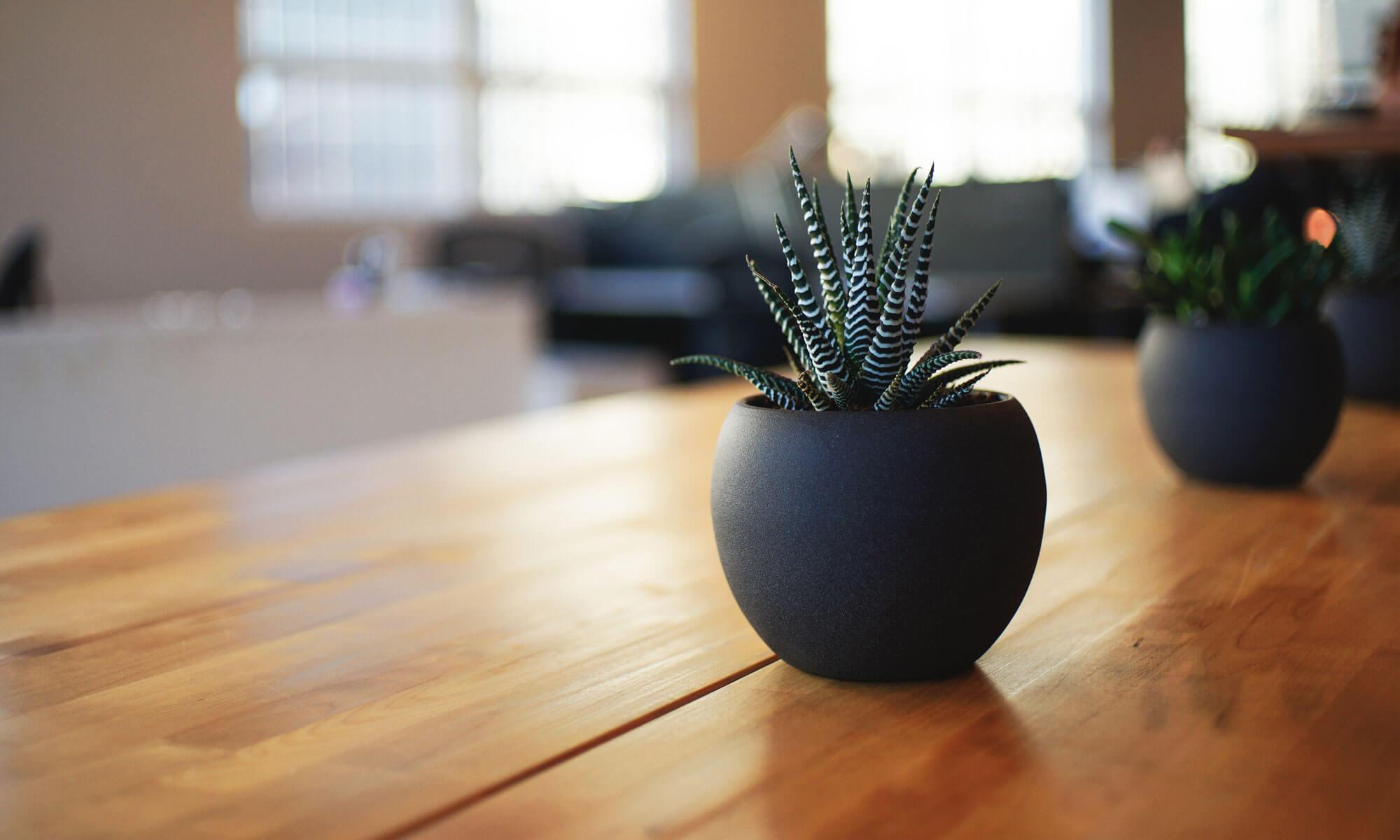
Fragrance courtyards can provide guests with immersive outdoor spaces where flowers, herbs, shrubs, and aromatic plants create a distinctive sensory environment. These courtyards can support relaxation while adding another layer of interest to Game BL555 resort landscaping.
The location should be chosen carefully. A quiet courtyard away from busy service routes can provide a peaceful setting where guests have time to appreciate different scents.
Plant selection should reflect the local environment. Suitable species are more likely to remain healthy when their sunlight, soil, temperature, and water requirements match the site.
Different fragrance profiles can be arranged in separate sections. Floral, herbal, citrus-like, woody, and other natural aromas can create variety without making the entire space overwhelming.
Plant placement should consider airflow. Gentle movement of air can help distribute fragrance, while overly exposed locations may cause scents to disperse too quickly.
Seating should be positioned near selected planting areas. Benches, chairs, and small tables can encourage guests to remain in the courtyard and enjoy the surroundings.
Shade can improve daytime comfort. Trees, pergolas, umbrellas, and other structures can provide protection from strong sunlight while allowing suitable plants to receive adequate light.
Pathways should provide stable footing. Guests should be able to move between planting sections without stepping into garden beds.
Accessibility should be incorporated throughout the courtyard. Suitable widths, manageable slopes, stable surfaces, and clear routes can make the space more welcoming to visitors with different mobility requirements.
Information signs can identify fragrant plants. Short descriptions can explain scent characteristics, flowering periods, origins, traditional uses, or cultivation requirements.
Water features can complement the sensory atmosphere. Gentle fountains or small ponds can add sound and visual movement without overpowering the natural fragrances.
Acoustic conditions should remain peaceful. The courtyard should ideally be separated from loud entertainment, machinery, and heavy traffic.
Lighting can support evening visits. Soft fixtures can illuminate pathways, seating, and selected plants without making the courtyard excessively bright.
Irrigation should be carefully managed. Plants should receive sufficient water while surrounding pathways remain reasonably dry.
Drainage is equally important. Excess water should move away from planting beds and guest areas to prevent standing water and slippery surfaces.
Pest and disease monitoring should be regular. Healthy plants generally provide stronger foliage, flowers, and aromas while maintaining the intended appearance of the courtyard.
Seasonal planting can create changing experiences. Different plants may flower or release stronger fragrances during different periods of the year.
Guided garden experiences can add educational value. Staff can explain plant characteristics, fragrance traditions, cultivation techniques, and seasonal changes.
Photography can complement the experience. Flowering displays, seating areas, water features, and architectural details can provide attractive settings for guests.
Cleanliness should be maintained without disrupting the garden. Litter, damaged vegetation, and hazardous debris should be removed regularly.
Maintenance should include pruning, watering, soil care, planting, pathway upkeep, lighting, and information displays.
Ultimately, a fragrance courtyard can provide a distinctive sensory attraction within a resort. Through thoughtful plant selection, careful placement, comfortable seating, accessible pathways, appropriate shade, gentle lighting, effective irrigation, and consistent horticultural care, resorts can create peaceful outdoor environments that encourage guests to experience the garden through scent as well as sight.